
review us
follow us
like us

Blog

When That Toenail Starts to Hurt

Ingrown toenails are a common, painful annoyance that can quickly derail your day. This happens when the edge of your nail grows into the surrounding skin, leading to redness, swelling, and tenderness. While it might start small, an untreated ingrown toenail can become quite serious. The constant irritation can allow bacteria to enter, causing a significant infection. The area may become inflamed, weep, or even develop an overgrowth of tissue, making every step excruciating. Many people try to tend to the ingrown toenail at home, but this often makes the problem worse and increases the risk of complications. Proper treatment involves gently lifting the nail edge or removing a small, offending piece to provide lasting relief. If you have an ingrown toenail, it is suggested that you seek professional care and effective treatment from a podiatrist.

Ingrown toenails may initially present themselves as a minor discomfort, but they may progress into an infection in the skin without proper treatment. For more information about ingrown toenails, contact the podiatrists of New England Family Foot Care. Our doctors can provide the care you need to keep you pain-free and on your feet.

Ingrown Toenails

Ingrown toenails are caused when the corner or side of a toenail grows into the soft flesh surrounding it. They often result in redness, swelling, pain, and in some cases, infection. This condition typically affects the big toe and may recur if it is not treated properly.

Causes

  • Improper toenail trimming
  • Genetics
  • Improper shoe fitting
  • Injury from pedicures or nail picking
  • Abnormal gait
  • Poor hygiene

You are more likely to develop an ingrown toenail if you are obese, have diabetes, arthritis, or have any fungal infection in your nails. Additionally, people who have foot or toe deformities are at a higher risk of developing an ingrown toenail.

Symptoms

Some symptoms of ingrown toenails are redness, swelling, and pain. In rare cases, there may be a yellowish drainage coming from the nail.

Treatment

Ignoring an ingrown toenail can have serious complications. Infections of the nail border can progress to a deeper soft-tissue infection, which can then turn into a bone infection. You should always speak with your podiatrist if you suspect you have an ingrown toenail, especially if you have diabetes or poor circulation.

If you have any questions, please feel free to contact our office located in Milton, MA . We offer the newest diagnostic and treatment technologies for all your foot care needs.

Read more about Ingrown Toenails

Proper Cane Use Can Help Prevent Falls

Using a cane properly can make a big difference in maintaining balance and reducing the chance of falls. When the height of the cane is adjusted so that the handle lines up with the wrist, it allows for natural movement without forcing the body to lean forward or strain the shoulders. A cane should be held on the opposite side of the weaker or injured leg, which shifts more weight onto the stronger side and helps the feet and ankles move with greater stability. Moving the cane forward at the same time as the affected foot allows both to share the load, making each step safer and more secure. On stairs, stepping up with the stronger leg first and going down with the cane and weaker leg first helps protect the feet from extra strain. A podiatrist can evaluate foot strength, ankle function, and overall gait to ensure the cane is used effectively. If you have balance or mobility problems, it is suggested that you make an appointment with a podiatrist for an exam and treatment.

Preventing falls among the elderly is very important. If you are older and have fallen or fear that you are prone to falling, consult with the podiatrists from New England Family Foot Care. Our doctors will assess your condition and provide you with quality advice and care.

Every 11 seconds, an elderly American is being treated in an emergency room for a fall related injury. Falls are the leading cause of head and hip injuries for those 65 and older. Due to decreases in strength, balance, senses, and lack of awareness, elderly persons are very susceptible to falling. Thankfully, there are a number of things older persons can do to prevent falls.

How to Prevent Falls

Some effective methods that older persons can do to prevent falls include:

  • Enrolling in strength and balance exercise program to increase balance and strength
  • Periodically having your sight and hearing checked
  • Discuss any medications you have with a doctor to see if it increases the risk of falling
  • Clearing the house of falling hazards and installing devices like grab bars and railings
  • Utilizing a walker or cane
  • Wearing shoes that provide good support and cushioning
  • Talking to family members about falling and increasing awareness

Falling can be a traumatic and embarrassing experience for elderly persons; this can make them less willing to leave the house, and less willing to talk to someone about their fears of falling. Doing such things, however, will increase the likelihood of tripping or losing one’s balance. Knowing the causes of falling and how to prevent them is the best way to mitigate the risk of serious injury.  

If you have any questions, please feel free to contact our office located in Milton, MA . We offer the newest diagnostic and treatment technologies for all your foot care needs.
Read more about Falls Prevention

Foot Problems and the Risk of Falling in Seniors

As people age, foot problems can greatly increase the risk of falling. Weakness, frailty, and exhaustion may affect mobility, while gait alterations and balance difficulties make walking less stable. Common conditions, such as bunions or the loss of natural fat pads on the feet, can cause pain, pressure, and instability. These issues may lead to reduced confidence and a higher chance of falls, which can result in serious injury. A podiatrist can evaluate foot health, provide treatment for pain, recommend supportive footwear, and design strategies to improve balance and safety. If you or a loved one have foot or ankle pain from falling, it is suggested that you consult a podiatrist who can offer effective relief and treatment tips for various foot conditions. 

If you need your feet checked, contact the podiatrists of New England Family Foot Care. Our doctors will attend to all of your foot and ankle needs and provide you with quality treatment.

Geriatrics and Podiatry
When people age, some common issues that may occur are bone density loss, dry skin, poor circulation, and rough brittle nails. These issues may also affect your foot health if the necessary steps are not taken to alleviate the problems.

It is important to take care of your feet because feet that are injured or diseased can affect your overall health. Having painful feet hinders your ability to do daily activities or may decrease your willingness to do the things that you need to do.

Visiting Your Geriatrician
As we age, health problems become more likely, so it is essential to visit your doctor for check-ups to ensure that you are doing the best you can to take care of your health. It is recommended to check your feet frequently for any possible cuts, bruises, swelling, corns or any other irregularities. 

Taking Care of Elderly Feet
Cracked or dry feet can be treated by applying moisturizer often. It is also important not to wear old socks because the older the sock is, the higher the possibility there will be that there is bacteria there. Wear fresh socks and make sure they fit properly.

Proper foot health means that you can have a more active lifestyle and you will not be bogged down by pain. Foot health also leads to good circulation, which is paramount for overall health.

If you have any questions, please feel free to contact our office located in Milton, MA . We offer the newest diagnostic and treatment technologies for all your foot care needs.

Read more about Elderly Foot Care

Gout Pain Can Be Managed

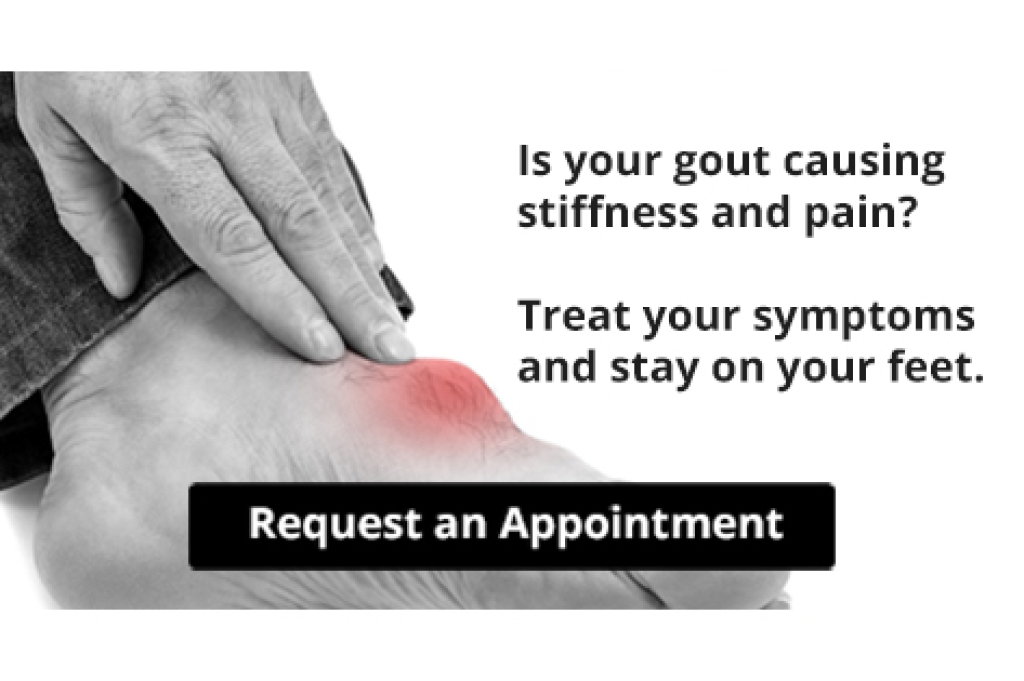
Gout is a painful, inflammatory form of arthritis. Those affected will typically feel an intense stiffness in the joints of their feet, particularly in the big toe. Schedule a visit to learn about how gout can be managed and treated.

Managing Hallux Rigidus and Preserving Joint Function

Hallux rigidus is a form of arthritis that affects the big toe joint, leading to stiffness, swelling, and pain during movement. As the condition progresses, bending the toe becomes more difficult, making it challenging to walk, run, or even stand for long periods. Many people also notice a bony bump on the top of the joint that worsens with wearing tight shoes. Early management focuses on reducing stress on the joint with supportive footwear, stiff soled shoes, or custom orthotics. Anti-inflammatory medication can ease pain, while stretching exercises may help maintain some mobility. In advanced cases, surgery may be recommended to restore or replace joint function. Addressing symptoms promptly can slow progression and improve daily comfort. If you have pain and stiffness in your big toe joint, it is suggested that you consult a podiatrist for a proper diagnosis and appropriate treatment.

Toe pain can disrupt your daily activities. If you have any concerns, contact the podiatrists of New England Family Foot Care. Our doctors can provide the care you need to keep you pain-free and on your feet.

What Causes Toe Pain?

Most severe toe pain is caused due to a sports injury, trauma from dropping something heavy on the toe, or bumping into something rigid. Other problems can develop over time for various reasons.

Toe pain can be caused by one or more ailments. The most common include:

  • Trauma
  • Sports injury
  • Wearing shoes that are too tight
  • Arthritis
  • Gout
  • Corns and calluses
  • Hammertoe
  • Bunions
  • Blisters
  • Ingrown toenails
  • Sprains
  • Fractures (broken bones)
  • Dislocations

When to See a Podiatrist

  • Severe pain
  • Persistent pain that lasts more than a week
  • Signs of infection
  • Continued swelling
  • Pain that prevents walking

Diagnosis

In many cases the cause of toe pain is obvious, but in others, a podiatrist may want to use more advanced methods to determine the problem. These can range from simple visual inspections and sensation tests to X-rays and MRI scans. Prior medical history, family medical history, and any recent physical traumatic events will all be taken into consideration for a proper diagnosis.

Treatment

Treatments for toe pain and injuries vary and may include shoe inserts, padding, taping, medicines, injections, and in some cases, surgery. If you believe that you have broken a toe, please see a podiatrist as soon as possible.

If you have any questions please contact our office located in Milton, MA . We offer the newest diagnostic and treatment technologies for all your foot and ankle needs.

Read more about Toe Pain
Connect with us