

review us
follow us
like us

Blog

Bunions and How They Are Treated

A bunion is a bony bump that forms at the base of the big toe joint. It develops when the big toe gradually shifts toward the second toe, causing the joint to stick outward. This change can lead to swelling, redness, and pain, especially when wearing tight or narrow shoes. Bunions often develop due to inherited foot structure, arthritis, or repeated pressure on the toes from footwear. As the joint becomes more misaligned, walking and standing may become uncomfortable. Early treatment often focuses on reducing pressure and irritation. Wearing shoes with a wide toe box, using protective padding, and adding custom orthotics can help support the foot and ease discomfort. Anti-inflammatory care may also reduce swelling. When bunions become severe and interfere with daily activities, surgical correction may be considered to realign the joint. If you notice a painful bump forming near your big toe, it is suggested that you see a podiatrist who can evaluate the problem and recommend appropriate treatment.

If you are suffering from bunions, contact the podiatrists of New England Family Foot Care. Our doctors can provide the care you need to keep you pain-free and on your feet.

What Is a Bunion?

A bunion is formed of swollen tissue or an enlargement of boney growth, usually located at the base joint of the toe that connects to the foot. The swelling occurs due to the bones in the big toe shifting inward, which impacts the other toes of the foot. This causes the area around the base of the big toe to become inflamed and painful.

Why Do Bunions Form?

Genetics – Susceptibility to bunions are often hereditary

Stress on the feet – Poorly fitted and uncomfortable footwear that places stress on feet, such as heels, can worsen existing bunions

How Are Bunions Diagnosed?

Podiatrists often perform two tests – blood tests and x-rays – when trying to diagnose bunions, especially in the early stages of development. Blood tests help determine if the foot pain is being caused by something else, such as arthritis, while x-rays provide a clear picture of your bone structure to your provider.

How Are Bunions Treated?

  • Refrain from wearing heels or similar shoes that cause discomfort
  • Select wider shoes that can provide more comfort and reduce pain
  • Anti-inflammatory and pain management drugs
  • Orthotics or foot inserts
  • Surgery

If you have any questions, please feel free to contact our office located in Milton, MA . We offer the newest diagnostic and treatment technologies for all your foot care needs.

Read more about Bunions

Scleroderma and Its Effects on Foot Health

Scleroderma is a chronic autoimmune connective tissue disorder in which the body produces excess collagen, leading to thickening and tightening of the skin and underlying tissues. When this condition affects the feet it may cause stiffness, reduced flexibility, and changes in circulation that influence comfort during walking. Symptoms include tight skin, joint discomfort, swelling, and sensitivity to cold temperatures. Many individuals also experience Raynaud's phenomenon, a circulation-related condition in which the toes change color and become painful when exposed to cold or stress. Causes involve immune system dysfunction and genetic susceptibility. Risk factors may include family history and autoimmune disease patterns. A podiatrist can help manage foot symptoms and improve comfort. If foot pain or circulation concerns develop, it is suggested that you consult a podiatrist who can help you to manage this condition.

Foot Pain

Foot pain can be extremely painful and debilitating. If you have a foot pain, consult with the podiatrists from New England Family Foot Care. Our doctors will assess your condition and provide you with quality foot and ankle treatment.

Causes

Foot pain is a very broad condition that could be caused by one or more ailments. The most common include:

  • Bunions
  • Hammertoes
  • Plantar Fasciitis
  • Bone Spurs
  • Corns
  • Tarsal Tunnel Syndrome
  • Ingrown Toenails
  • Arthritis (such as Gout, Rheumatoid, and Osteoarthritis)
  • Flat Feet
  • Injury (from stress fractures, broken toe, foot, ankle, Achilles tendon ruptures, and sprains)
  • And more

Diagnosis

To figure out the cause of foot pain, podiatrists utilize several different methods. This can range from simple visual inspections and sensation tests to X-rays and MRI scans. Prior medical history, family medical history, and any recent physical traumatic events will all be taken into consideration for a proper diagnosis.

Treatment

Treatment depends upon the cause of the foot pain. Whether it is resting, staying off the foot, or having surgery; podiatrists have a number of treatment options available for foot pain.

If you have any questions, please feel free to contact our office located in Milton, MA . We offer the newest diagnostic and treatment technologies for all your foot care needs.

Read more about Foot Pain

Different Forms of Athlete’s Foot

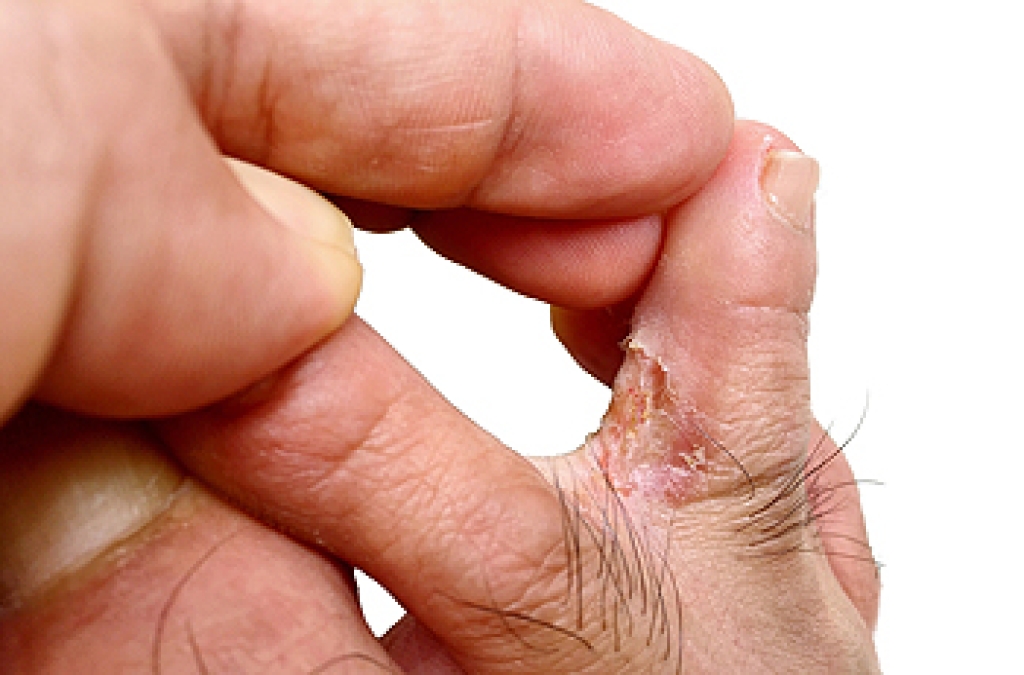
Athlete's foot, medically known as tinea pedis, is a contagious fungal infection that affects the skin of the feet, especially between the toes. There are various types, including chronic hyperkeratotic athlete’s foot, which causes dry, thick scaling on the soles and sides of the feet. Chronic intertriginous athlete’s foot develops between the toes, and produces redness, peeling skin, and itching. Acute ulcerative athlete’s foot is a more severe form that leads to painful sores and skin breakdown. Lastly, vesiculobullous athlete foot causes fluid filled blisters on the sole or arch. Risk factors include damp footwear, shared locker rooms, excessive sweating, and weakened immunity. A podiatrist can diagnose the infection and provide effective treatment to restore healthy skin. If you have symptoms of athlete’s foot, it is suggested that you consult a podiatrist who can provide appropriate care, which may include prescribed medication.

Athlete’s foot is an inconvenient condition that can be easily reduced with the proper treatment. If you have any concerns about your feet and ankles, contact the podiatrists from New England Family Foot Care.  Our doctors will treat your foot and ankle needs.

Athlete’s Foot: The Sole Story

Athlete's foot, also known as tinea pedis, can be an extremely contagious foot infection. It is commonly contracted in public changing areas and bathrooms, dormitory style living quarters, around locker rooms and public swimming pools, or anywhere your feet often come into contact with other people.

Solutions to Combat Athlete’s Foot

  • Hydrate your feet by using lotion
  • Exfoliate
  • Buff off nails
  • Use of anti-fungal products
  • Examine your feet and visit your doctor if any suspicious blisters or cuts develop

Athlete’s foot can cause many irritating symptoms such as dry and flaking skin, itching, and redness. Some more severe symptoms can include bleeding and cracked skin, intense itching and burning, and even pain when walking. In the worst cases, Athlete’s foot can cause blistering as well. Speak to your podiatrist for a better understanding of the different causes of Athlete’s foot, as well as help in determining which treatment options are best for you.

If you have any questions please feel free to contact our office located in Milton, MA . We offer the newest diagnostic and treatment technologies for all your foot and ankle needs.

Read more about Athlete’s Foot

Heel Pain Can Be Treated!

Do you suffer from heel pain when you get up in the morning? If so, you should seek professional help and have a proper diagnosis performed. Heel pain can be caused by several different foot-related conditions.

The Difference Between Normal Baby Fat and Swollen Feet

Many infants and young children have naturally plump feet due to healthy baby fat, which is soft, symmetrical, and not painful. Swollen feet, however, may appear stretched or shiny and can be accompanied by redness, warmth, or tenderness to the touch. Unlike normal fullness, swelling may cause discomfort or sensitivity when pressure is applied. Common causes include wearing improper shoes, minor bruises from bumps, insect bites, or mild infections. Persistent swelling should never be ignored, especially if a child shows signs of pain or difficulty standing. A podiatrist can evaluate the cause, recommend proper footwear, and provide appropriate treatment. If you notice your child’s feet look swollen, it is suggested that you consult a podiatrist who can determine what the cause is, and offer appropriate treatment solutions.

Swollen feet can be a sign of an underlying condition. If you have any concerns, contact the podiatrists of New England Family Foot Care. Our doctors can provide the care you need to keep you pain-free and on your feet.

Swollen feet are a common ailment among pregnant women and people who stand or sit for extended periods. Aging may increase the possibility of swollen feet and patients who are obese often notice when their feet are swelling too. There may be medical reasons why swollen feet occur:

  • Phlebitis - A condition that causes the veins to become inflamed and can also cause leg pain.
  • Liver disease - This may lead to low blood levels of albumin which is a protein. This can cause fluid in the blood to pass into the tissues and several areas of the body can become swollen.
  • Heart failure - When the heart doesn’t pump properly the blood that is normally pumped back to the heart can pool in the veins of the legs causing swollen feet.
  • Kidney disease - One of the main functions of the kidneys is releasing excess fluid in the body. This type of condition can make it difficult for the kidneys to function properly, and as a result the feet may become swollen.
  • Deep-vein thrombosis (DVT)- This is a serious condition where blood clots form in the veins of the legs. They can block the return of blood from the legs to the heart which may cause the feet to swell. It is important to be treated by a podiatrist if this condition is present.

Swollen feet can also be caused by bone and tendon conditions, including fractures, arthritis, and tendinitis. Additionally, there may be skin and toenail conditions and an infection may cause the feet to swell. Patients who take medicine to treat high blood pressure may be prone to getting swollen feet. 

Many patients elevate their feet to help relieve the swelling and this is generally a temporary remedy. When a podiatrist is consulted the reason behind the swelling can be uncovered and subsequently treated.

If you have any questions please contact our office located in Milton, MA . We offer the newest diagnostic and treatment technologies for all your foot and ankle needs.

Read more about Swelling of the Feet
Connect with us