
review us
follow us
like us

Blog

How to Check for Proper Fit of Hiking Boots

Finding the right fit for hiking boots is essential for comfort and injury prevention on the trail. Start by checking the length to ensure there is enough room in the toe box without crowding. The width should feel secure without squeezing the sides of the foot. The heel should stay in place without slipping, which helps prevent blisters and instability. Small fit adjustments, such as lacing techniques and supportive socks, can improve overall comfort. Poorly fitted boots can increase risk of foot pain, blisters, and strain during long hikes. A podiatrist can evaluate foot shape, recommend proper footwear, and provide guidance for better support. If you have experienced foot or ankle pain from wearing hiking boots, it is suggested that you consult a podiatrist who can provide treatment and offer additional guidance on choosing hiking boots that fit correctly.

Getting the right shoe size is an important part of proper foot health. Seek the assistance of the podiatrists from New England Family Foot Care. Our doctors will provide the care you need to keep you pain-free and on your feet.

Getting the Right Shoe Size

There are many people who wear shoes that are the incorrect size, negatively affecting their feet and posture. Selecting the right shoes is not a difficult process, so long as you keep several things in mind when it comes to choosing the right pair.

  • When visiting the shoe store, use the tools available to measure your foot.
  • Be sure there is ‘wiggle room’. There should be about an inch between your toes and the tip of your shoes.
  • Do not always assume you are the same size, as manufacturers run differently.
  • Purchase shoes later in the day, as your feet swell as the day progresses.
  • If a shoe is not comfortable, it is not suitable. Most shoes can’t be ‘broken in’, and comfort should be the ultimate goal when it comes to choosing the right pair of shoes

As our feet hold our body weight and keep us moving, it is important to treat them right. Picking the right pair of shoes can provide your feet comfort and mobility without pain.

If you have any questions, please feel free to contact our office located in Milton, MA . We offer the newest diagnostic and treatment technologies for all your foot care needs.
Read more about Getting the Right Shoe Size

Understanding the Causes of Sever’s Disease

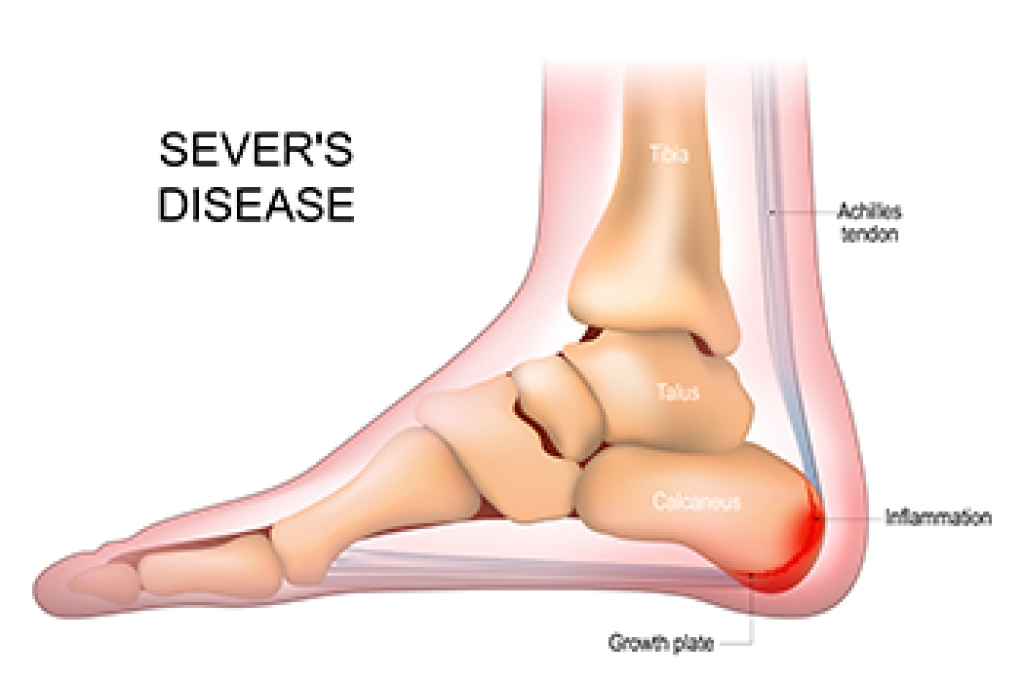
Sever’s disease is a heel condition that affects active growing children, most often between the ages of nine and 14. It develops in the growth plate of the heel, which is a softer area of bone that has not yet hardened. During growth spurts, bones can lengthen faster than muscles and tendons. This can cause the calf muscle and Achilles tendon to tighten and pull on the back of the child’s heel. Repeated stress from running and jumping can irritate this area and lead to pain and swelling. Symptoms include heel pain during activity, limping, or discomfort when rising onto the toes. A podiatrist can examine the foot, assess tendon tightness, and determine the exact cause of the pain. Imaging may be used to rule out other problems. If your active child complains of heel pain, it is suggested that you schedule an appointment with a podiatrist for a diagnosis and appropriate relief tips. 

Sever's disease often occurs in children and teens. If your child is experiencing foot or ankle pain, see the podiatrists from New England Family Foot Care. Our doctors can treat your child’s foot and ankle needs.

Sever’s Disease

Sever’s disease is also known as calcaneal apophysitis, which is a medical condition that causes heel pain I none or both feet. The disease is known to affect children between the ages of 8 and 14.

Sever’s disease occurs when part of the child’s heel known as the growth plate (calcaneal epiphysis) is attached to the Achilles tendon. This area can suffer injury when the muscles and tendons of the growing foot do not keep pace with bone growth. Therefore, the constant pain which one experiences at the back of the heel will make the child unable to put any weight on the heel. The child is then forced to walk on their toes.

Symptoms

Acute pain – Pain associated with Sever’s disease is usually felt in the heel when the child engages in physical activity such as walking, jumping and or running.

Highly active – Children who are very active are among the most susceptible in experiencing Sever’s disease, because of the stress and tension placed on their feet.

If you have any questions, please feel free to contact our office located in Milton, MA . We offer the newest diagnostic and treatment technologies for all your foot care needs.

Read more about Sever's Disease

Understanding Peripheral Artery Disease and the Feet

Peripheral artery disease, often called PAD, occurs when arteries become narrowed and reduce blood flow to the legs and feet. This limits oxygen delivery to tissues, which can lead to pain, especially during walking, known as claudication. Some people may also notice cold feet, skin color changes, or slower nail and hair growth. In more advanced cases, wounds on the feet may heal very slowly or not at all, increasing the risk of infection. Because the feet are far from the heart, they are especially vulnerable to poor circulation. Early detection is important to help prevent serious complications. A podiatrist can check circulation, monitor skin health, and help manage foot-related risks of PAD through routine care and guidance. They also work with other providers as needed. If you have leg pain with walking or slow-healing foot wounds, it is suggested that you seek care from a podiatrist.

Peripheral artery disease can pose a serious risk to your health. It can increase the risk of stroke and heart attack. If you have symptoms of peripheral artery disease, consult with the podiatrists from New England Family Foot Care. Our doctors will assess your condition and provide you with quality foot and ankle treatment.

Peripheral artery disease (PAD) is when arteries are constricted due to plaque (fatty deposits) build-up. This results in less blood flow to the legs and other extremities. The main cause of PAD is atherosclerosis, in which plaque builds up in the arteries.

Symptoms

Symptoms of PAD include:

  • Claudication (leg pain from walking)
  • Numbness in legs
  • Decrease in growth of leg hair and toenails
  • Paleness of the skin
  • Erectile dysfunction
  • Sores and wounds on legs and feet that won’t heal
  • Coldness in one leg

It is important to note that a majority of individuals never show any symptoms of PAD.

Diagnosis

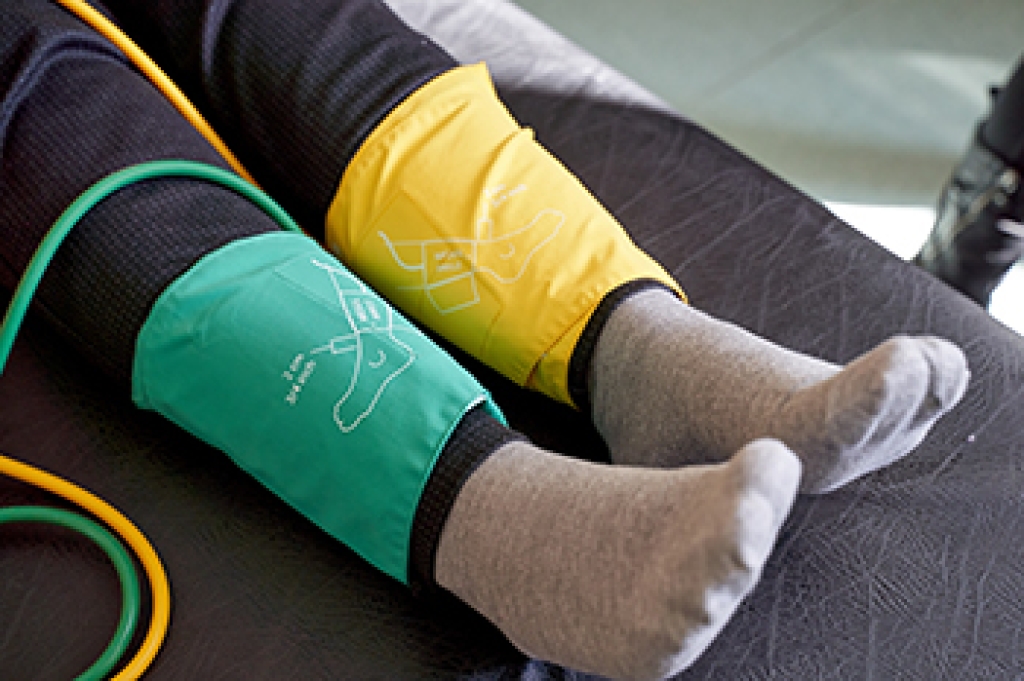
While PAD occurs in the legs and arteries, Podiatrists can diagnose PAD. Podiatrists utilize a test called an ankle-brachial index (ABI). An ABI test compares blood pressure in your arm to you ankle to see if any abnormality occurs. Ultrasound and imaging devices may also be used.

Treatment

Fortunately, lifestyle changes such as maintaining a healthy diet, exercising, managing cholesterol and blood sugar levels, and quitting smoking, can all treat PAD. Medications that prevent clots from occurring can be prescribed. Finally, in some cases, surgery may be recommended.

If you have any questions, please feel free to contact our office located in Milton, MA . We offer the newest diagnostic and treatment technologies for all your foot care needs.
Read more about Peripheral Artery Disease

Wounds That Don't Heal Need to Be Checked

Your feet are covered most of the day. If you're diabetic, periodic screening is important for good health. Numbness is often a sign of diabetic foot and can mask a sore or wound.

Essential Foot Care for Diabetics

Foot care is a key part of managing diabetes, because high blood sugar can damage nerves and reduce circulation in the feet. This can make it harder to feel injuries and slower for wounds to heal. Regular evaluation by a podiatrist helps detect changes, such as reduced sensation, skin breakdown, or pressure points. A podiatrist can assess blood flow, check for nerve damage, and examine the skin and nails for signs of concern. Treatment for diabetic foot problems includes removing thickened skin in a safe, sterile setting, and managing wounds. Custom orthotics or protective footwear or casting can help to reduce pressure on high-risk areas. Education on proper foot monitoring and risk awareness is also part of ongoing diabetic foot care. Early detection and professional treatment from a podiatrist play an important role in preventing complications and preserving foot health. If you have diabetes-related foot pain, it is suggested that you make an appointment with a podiatrist for help in managing this condition.

Diabetic foot care is important in preventing foot ailments such as ulcers. If you are suffering from diabetes or have any other concerns about your feet, contact the podiatrists from New England Family Foot Care. Our doctors can provide the care you need to keep you pain-free and on your feet.

Diabetic Foot Care

Diabetes affects millions of people every year. The condition can damage blood vessels in many parts of the body, especially the feet. Because of this, taking care of your feet is essential if you have diabetes, and having a podiatrist help monitor your foot health is highly recommended.

The Importance of Caring for Your Feet

  • Routinely inspect your feet for bruises or sores.
  • Wear socks that fit your feet comfortably.
  • Wear comfortable shoes that provide adequate support.

Patients with diabetes should have their doctor monitor their blood levels, as blood sugar levels play such a huge role in diabetic care. Monitoring these levels on a regular basis is highly advised.

It is always best to inform your healthcare professional of any concerns you may have regarding your feet, especially for diabetic patients. Early treatment and routine foot examinations are keys to maintaining proper health, especially because severe complications can arise if proper treatment is not applied.

If you have any questions, please feel free to contact our office located in Milton, MA . We offer the newest diagnostic and treatment technologies for all your foot care needs.

Read more about Diabetic Foot Conditions
Connect with us