
review us
follow us
like us

Blog

How Bunions Develop and Impact Daily Movement

Bunions are structural deformities that affect the alignment of the big toe joint, often leading to discomfort and reduced mobility. This condition occurs when the first metatarsal bone shifts outward while the big toe angles inward, forming a noticeable bump. The imbalance in the foot structure places stress on surrounding tissues, which can lead to inflammation and pain. Bunions do not develop overnight. They form gradually as pressure builds on the joint. Understanding how bunions develop is essential for recognizing symptoms early and preventing further complications.

Common symptoms include aching pain around the base of the big toe, swelling, and visible enlargement of the joint. Many individuals report increased discomfort during activity or after long periods of standing. Wearing tight shoes can worsen symptoms, leading to redness and irritation. Some people experience stiffness in the toe joint, which limits flexibility and affects walking patterns. As the condition progresses, the toes may crowd together, creating additional pressure points. These symptoms can interfere with daily routines and reduce overall comfort if left untreated.


Risk factors for bunions include inherited foot mechanics, improper footwear, and repetitive stress on the feet. People with a family history of bunions are more likely to develop the condition due to a similar bone structure. Wearing shoes that compress the toes, such as narrow or high-heeled styles, increases the likelihood of joint misalignment. Activities that involve constant pressure on the forefoot can also contribute. In some cases, underlying conditions like inflammatory joint disease may accelerate bunion formation. Identifying these risk factors allows for preventive strategies that support foot alignment and function.


The causes of bunions center on mechanical stress and structural imbalance within the foot. Over time, uneven weight distribution forces the joint out of place, resulting in the characteristic bump. Managing bunions involves reducing pressure, improving foot support, and maintaining proper alignment. Custom orthotics, wider shoes, and activity modification can help alleviate symptoms and slow progression. If you have bunions and notice worsening pain or difficulty with footwear, it is suggested you consult a podiatrist to receive a thorough evaluation and personalized care plan.

If you are suffering from bunion pain, contact the podiatrists of New England Family Foot Care. Our doctors can provide the care you need to keep you pain-free and on your feet.

What Is a Bunion?

Bunions are painful bony bumps that usually develop on the inside of the foot at the joint of the big toe. As the deformity increases over time, it may become painful to walk and wear shoes. Women are more likely to exacerbate existing bunions since they often wear tight, narrow shoes that shift their toes together. Bunion pain can be relieved by wearing wider shoes with enough room for the toes.

Causes

  • Genetics – some people inherit feet that are more prone to bunion development
  • Inflammatory Conditions - rheumatoid arthritis and polio may cause bunion development

Symptoms

  • Redness and inflammation
  • Pain and tenderness
  • Callus or corns on the bump
  • Restricted motion in the big toe

In order to diagnose your bunion, your podiatrist may ask about your medical history, symptoms, and general health. Your doctor might also order an x-ray to take a closer look at your feet. Nonsurgical treatment options include orthotics, padding, icing, changes in footwear, and medication. If nonsurgical treatments don’t alleviate your bunion pain, surgery may be necessary.

If you have any questions, please feel free to contact our office located in Milton, MA . We offer the newest diagnostic and treatment technologies for all your foot care needs.

Read more about What Are Bunions?

Achilles Tendonitis and Recovery Time

Achilles tendonitis involves inflammation of the Achilles tendon, which connects the calf muscles to the heel. This condition often appears as pain, stiffness, or swelling along the back of the ankle, especially after activity. It can develop from overuse, sudden increases in exercise, and tight calf muscles. Wearing shoes that lack the proper support can also contribute. Runners and active people are commonly affected, but Achilles tendonitis can occur in anyone. Healing time varies, depending on severity. Mild cases may improve in several weeks, while more serious cases can take months. Without proper care, symptoms may worsen and limit movement. A podiatrist can evaluate tendon health, assess walking patterns, and create a structured treatment plan. Options include prescribed orthotics and a targeted exercise plan. It is strongly suggested that if you plan a return to running after Achilles tendonitis, you visit a podiatrist.

Achilles tendon injuries need immediate attention to avoid future complications. If you have any concerns, contact the podiatrists of New England Family Foot Care. Our doctors can provide the care you need to keep you pain-free and on your feet.

What Is the Achilles Tendon?

The Achilles tendon is a tendon that connects the lower leg muscles and calf to the heel of the foot. It is the strongest tendon in the human body and is essential for making movement possible. Because this tendon is such an integral part of the body, any injuries to it can create immense difficulties and should immediately be presented to a doctor.

What Are the Symptoms of an Achilles Tendon Injury?

There are various types of injuries that can affect the Achilles tendon. The two most common injuries are Achilles tendinitis and ruptures of the tendon.

Achilles Tendinitis Symptoms

  • Inflammation
  • Dull to severe pain
  • Increased blood flow to the tendon
  • Thickening of the tendon

Rupture Symptoms

  • Extreme pain and swelling in the foot
  • Total immobility

Treatment and Prevention

Achilles tendon injuries are diagnosed by a thorough physical evaluation, which can include an MRI. Treatment involves rest, physical therapy, and in some cases, surgery. However, various preventative measures can be taken to avoid these injuries, such as:

  • Thorough stretching of the tendon before and after exercise
  • Strengthening exercises like calf raises, squats, leg curls, leg extensions, leg raises, lunges, and leg presses

If you have any questions please feel free to contact our office located in Milton, MA . We offer the newest diagnostic tools and technology to treat your foot and ankle needs.

Read more about Achilles Tendon Injuries

Steps Toward Pain-Free Feet

Foot pain can develop from everyday habits, overuse, poor shoe choices, or underlying structural problems in the feet. Wearing shoes that do not fit well, spending long hours standing, sudden increases in activity, and ignoring early discomfort can all contribute to pain. Choosing supportive footwear with enough room for the toes can reduce pressure and improve alignment. Replacing worn shoes and using proper support during exercise may also help protect the feet. Maintaining a healthy weight can decrease strain on joints, tendons, and soft tissues. A podiatrist can evaluate foot structure, gait, and pressure points to identify problems before they become more serious. Early care may help prevent conditions such as heel pain, tendon irritation, bunions, or stress injuries. If you are noticing recurring soreness, stiffness, or discomfort in your feet, it is suggested that you visit a podiatrist for an evaluation.

Foot Pain

Foot pain can be extremely painful and debilitating. If you have a foot pain, consult with the podiatrists from New England Family Foot Care. Our doctors will assess your condition and provide you with quality foot and ankle treatment.

Causes

Foot pain is a very broad condition that could be caused by one or more ailments. The most common include:

  • Bunions
  • Hammertoes
  • Plantar Fasciitis
  • Bone Spurs
  • Corns
  • Tarsal Tunnel Syndrome
  • Ingrown Toenails
  • Arthritis (such as Gout, Rheumatoid, and Osteoarthritis)
  • Flat Feet
  • Injury (from stress fractures, broken toe, foot, ankle, Achilles tendon ruptures, and sprains)
  • And more

Diagnosis

To figure out the cause of foot pain, podiatrists utilize several different methods. This can range from simple visual inspections and sensation tests to X-rays and MRI scans. Prior medical history, family medical history, and any recent physical traumatic events will all be taken into consideration for a proper diagnosis.

Treatment

Treatment depends upon the cause of the foot pain. Whether it is resting, staying off the foot, or having surgery; podiatrists have a number of treatment options available for foot pain.

If you have any questions, please feel free to contact our office located in Milton, MA . We offer the newest diagnostic and treatment technologies for all your foot care needs.

Read more about Foot Pain

Do Your Child's Feet Hurt?

Have your child's feet been examined lately? Healthy feet are happy feet. If your child is complaining of foot pain, it may be a sign of underlying problems.

Heel Pain That Lingers

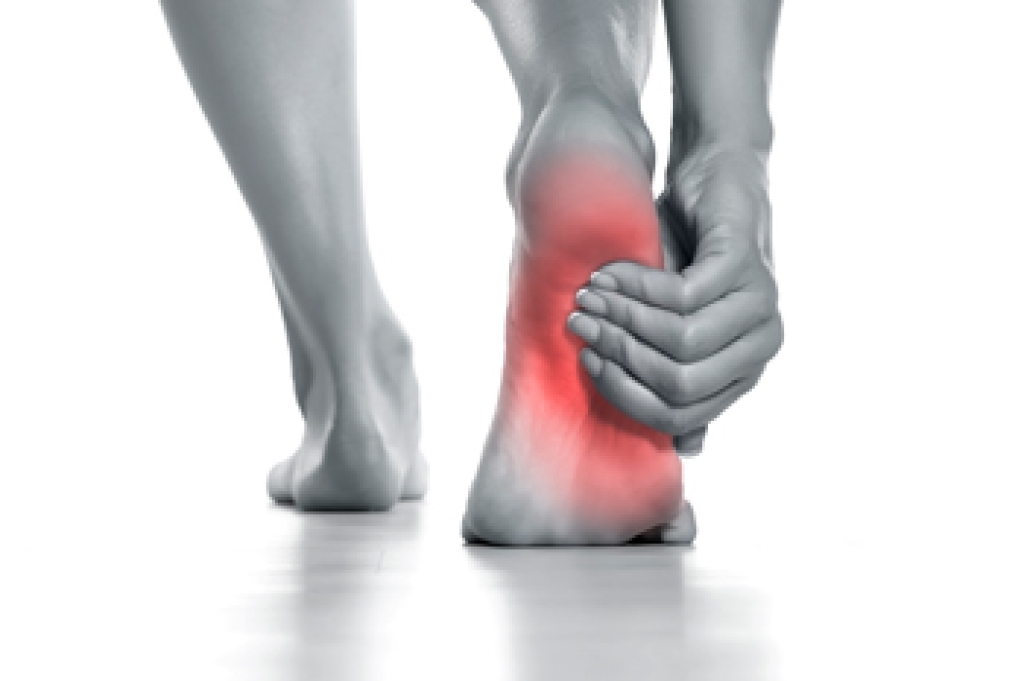
Plantar fasciitis is a common cause of heel pain that develops when the thick band of tissue along the bottom of the foot becomes irritated. Many people notice sharp discomfort with their first steps in the morning or after sitting for a while, with some improvement as they begin moving. It can develop from repetitive strain, foot structure, prolonged standing, or changes in activity level. The timeline for recovery varies. Some people improve within several weeks, while others may deal with symptoms for months, if the problem is not properly addressed. A podiatrist can evaluate the cause of the pain and recommend treatment such as stretching programs, supportive inserts, footwear guidance, or activity changes. Early treatment may help shorten recovery and prevent ongoing discomfort. If you have persistent heel pain or pain with your first steps each morning, it is strongly suggested that you visit a podiatrist for appropriate treatment solutions.

Plantar fasciitis can be very painful and inconvenient. If you are experiencing heel pain or symptoms of plantar fasciitis, contact the podiatrists  from New England Family Foot Care. Our doctors can provide the care you need to keep you pain-free and on your feet.

What Is Plantar Fasciitis?

Plantar fasciitis is the inflammation of the thick band of tissue that runs along the bottom of your foot, known as the plantar fascia, and causes mild to severe heel pain.

What Causes Plantar Fasciitis?

  • Excessive running
  • Non-supportive shoes
  • Overpronation
  • Repeated stretching and tearing of the plantar fascia

How Can It Be Treated?

  • Conservative measures – anti-inflammatories, ice packs, stretching exercises, physical therapy, orthotic devices
  • Shockwave therapy – sound waves are sent to the affected area to facilitate healing and are usually used for chronic cases of plantar fasciitis
  • Surgery – usually only used as a last resort when all else fails. The plantar fascia can be surgically detached from the heel

While very treatable, plantar fasciitis is definitely not something that should be ignored. Especially in severe cases, speaking to your doctor right away is highly recommended to avoid complications and severe heel pain. Your podiatrist can work with you to provide the appropriate treatment options tailored to your condition.

If you have any questions, please feel free to contact our office located in Milton, MA . We offer the newest diagnostic and treatment technologies for all your foot care needs.

Read more about Plantar Fasciitis
Connect with us