
review us
follow us
like us

Blog

Common Childhood Foot Problems That Affect Walking

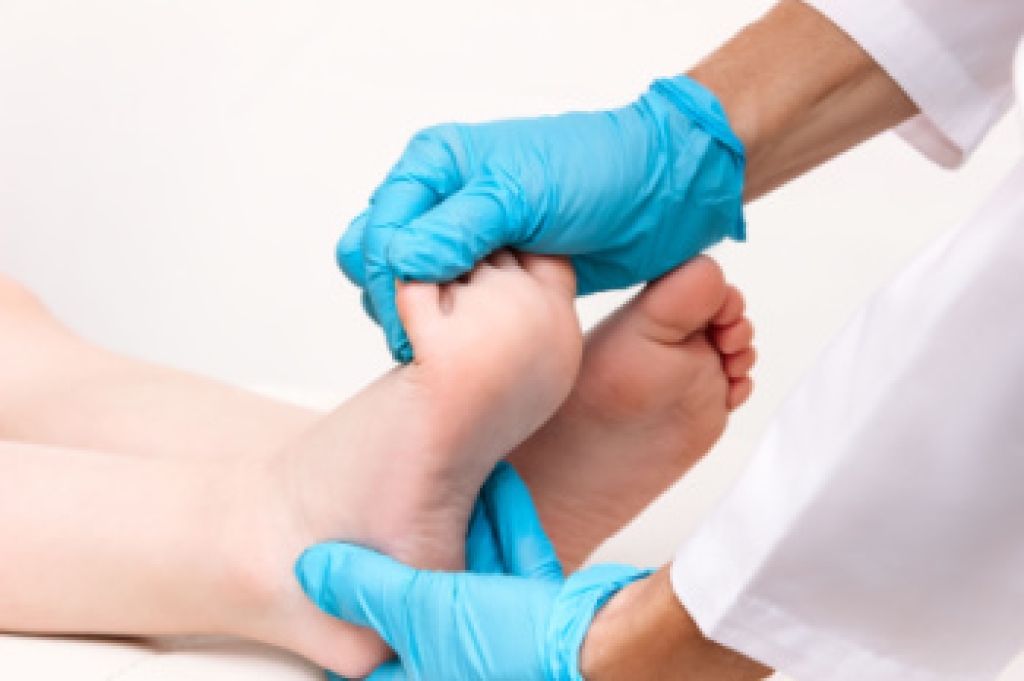
Foot and leg problems in children are often related to growth and development, but some conditions may require attention to prevent long-term issues. Common concerns include in-toeing, out-toeing, and flat foot. These conditions affect how a child walks and stands, and they can influence balance and coordination. In-toeing occurs when the feet turn inward when walking. It is often caused by metatarsus adductus, a condition in which the front part of the foot curves inward. Out-toeing involves the feet turning outward and is frequently linked to external tibial torsion, where the shin bone rotates outward.

Symptoms of in-toeing may include a noticeable inward foot position, frequent tripping, and uneven shoe wear. Children with metatarsus adductus may have a curved forefoot that is visible even when at rest. Out-toeing symptoms include an outward foot position, difficulty running efficiently, and a wider walking stance. External tibial torsion may become more noticeable as a child grows and becomes more active. Flat foot is another common condition in children, characterized by a low or absent arch when standing. Symptoms of flat foot can include foot fatigue, discomfort after activity, and inward rolling of the ankles.


Several risk factors contribute to these pediatric foot conditions. Genetics play a significant role, as children may inherit structural traits that affect foot alignment. External tibial torsion may develop as bones grow and rotate. Flat foot is often seen in younger children due to undeveloped arches, but it may persist in some cases. Obesity, improper footwear, and lack of supportive shoes can increase stress on developing feet and worsen symptoms.


Early recognition and proper care are essential for supporting healthy foot development in children. Supportive footwear and, in some cases, custom orthotics may help improve alignment and comfort. If your child has foot pain, it is suggested that you consult a podiatrist for an accurate diagnosis and appropriate treatment.

The health of a child’s feet is vital to their overall well-being. If you have any questions regarding foot health, contact the podiatrists of New England Family Foot Care. Our doctors can provide the care you need to keep you pain-free and on your feet.

Tips for Keeping Children's Feet Healthy

  • Make sure their shoes fit properly
  • Look for any signs of in-toeing or out-toeing
  • Check to see if they have Clubfoot (condition that affects your child’s foot and ankle, twisting the heel and toes inward) which is one of the most common nonmajor birth defects.
  • Lightly cover your baby’s feet (Tight covers may keep your baby from moving their feet freely, and could prevent normal development)
  • Allow your toddler to go shoeless (Shoes can be restricting for a young child’s foot)
  • Cut toenails straight across to avoid ingrown toenails
  • Keep your child’s foot clean and dry
  • Cover cuts and scrapes. Wash any scratches with soap and water and cover them with a bandage until they’ve healed.

If you have any questions, please feel free to contact our office located in Milton, MA . We offer the newest diagnostic and treatment technologies for all your foot care needs.

Read more about How to Care for Your Child's Feet

Managing Pain From Ingrown Toenails

An ingrown toenail develops when the edge of a toenail grows into the surrounding skin instead of over it. This problem most often affects the big toe and can become increasingly painful if left untreated. Early symptoms include tenderness, swelling, and redness along the edge of the nail. As the nail continues to press into the skin, the area can become warm, inflamed, or at risk of an infection. Walking, exercising, or wearing shoes can become uncomfortable because of the added pressure on the affected toe. Several factors can contribute to ingrown toenails, including improper nail trimming, toe injuries, and naturally curved nails. A professional evaluation is important to confirm the diagnosis and determine the most appropriate treatment before the condition worsens.


Without proper care, an ingrown toenail may continue to irritate the surrounding skin and increase the risk of infection. In some cases, the tissue around the nail becomes swollen and may begin to grow over the nail's edge. Persistent pain can also affect normal walking patterns, placing additional stress on other parts of the foot. Individuals with diabetes or poor circulation may face a greater risk of complications because healing can take longer. A comprehensive podiatry examination helps evaluate the severity of the ingrown toenail while identifying any signs of infection or underlying foot conditions. Early diagnosis allows treatment to begin before the problem becomes more painful or leads to additional complications.


A podiatrist specializes in diagnosing and treating ingrown toenails, while protecting the overall health of the foot. Professional treatment focuses on relieving pain, reducing inflammation, and preventing future complications. Care is tailored to each patient's condition and may include procedures designed to safely correct the problem. Regular podiatry visits also allow ongoing monitoring for patients who are at higher risk of recurring nail problems. If you have persistent toe pain, swelling, or signs of an ingrown toenail, it is suggested that you consult a podiatrist for an evaluation and appropriate treatment options.

Ingrown toenails can become painful if they are not treated properly. For more information about ingrown toenails, contact the podiatrists of New England Family Foot Care. Our doctors can provide the care you need to keep you pain-free and on your feet.

Ingrown Toenails

Ingrown toenails occur when a toenail grows sideways into the bed of the nail, causing pain, swelling, and possibly infection.

Causes

  • Bacterial infections
  • Improper nail cutting such as cutting it too short or not straight across
  • Trauma to the toe, such as stubbing, which causes the nail to grow back irregularly
  • Ill-fitting shoes that bunch the toes too close together
  • Genetic predisposition

Prevention

Wearing proper fitting shoes and using proper cutting techniques will also help decrease your risk of developing ingrown toenails.

Treatment

Ingrown toenails are a very treatable foot condition. In minor cases, soaking the affected area in salt or antibacterial soaps will not only help with the ingrown nail itself, but also help prevent any infections from occurring. In more severe cases, surgery is an option. In either case, speaking to your podiatrist about this condition will help you get a better understanding of specific treatment options that are right for you.

If you have any questions, please feel free to contact our office located in Milton, MA . We offer the newest diagnostic and treatment technologies for all your foot care needs.

Read more about Ingrown Toenails

Understanding the Connection Between Obesity and Foot Pain

Obesity can place significant stress on the feet because they support the body's weight with every step. As body weight increases, the bones, joints, and soft tissues in the feet must absorb greater pressure during standing and walking. This added stress may contribute to foot pain, reduced mobility, and changes in the way the feet function. People who are overweight may be more likely to develop heel pain, flat feet, or arthritis affecting the foot and ankle. Ongoing discomfort can make everyday activities more difficult and may reduce overall physical activity. Because foot pain has many possible causes, a professional evaluation is important to identify the underlying problem and recommend the most appropriate treatment.


Excess weight can also affect the structure of the feet and alter normal walking patterns. As movement patterns change, additional strain may be placed on the ankles, knees, and hips. This altered body mechanics can increase discomfort and reduce stability over time. Obesity has also been linked to a higher risk of tendon problems and joint degeneration in the feet. A thorough podiatry evaluation helps determine how weight-related changes are affecting foot function and mobility. Identifying these concerns early allows treatment to focus on relieving pain, improving movement, and helping prevent further complications.


A podiatrist plays an important role in evaluating and treating foot problems related to obesity. During an examination, the podiatrist assesses foot structure, walking mechanics, and joint function to identify the source of discomfort. Treatment is tailored to each patient's condition and focuses on reducing pain, improving mobility, and supporting healthier foot function. Regular podiatry care may also help reduce stress on the feet and monitor changes before they become more severe. If foot pain or difficulty walking is affecting your daily life, it is suggested that you consult a podiatrist for an evaluation and appropriate treatment options.

The more you weigh, the harder your feet must work to support your body. If you’re an obese individual and are concerned about your feet, contact the podiatrists from New England Family Foot Care. Our doctors can provide the care you need to keep you pain-free and on your feet.

Obesity and Your Feet

People who are overweight are putting more pressure on their ankles, knees, and hips as well as their feet. This unfortunately can lead to variety of different issues.

Problems & Complications Stemming from Obesity

  • When the body is overweight, it tries to compensate by changing the way that it moves. An obese person may lean forward and put extra weight on the wrong part of the foot. This puts unnecessary stress on the feet.
  • Obese people are also more likely to develop type II diabetes which is a condition that causes a lot of foot problems. People with diabetes often don’t feel the cuts and sores that they may have on their feet, which can lead to more complicated and severe issues.
  • Plantar fasciitis is another foot condition that can be caused by obesity. Plantar fasciitis is an inflammation of the tissue along the bottom of the foot, which causes pain and stiffness while walking and climbing stairs.

If you have any questions please contact our office located in Milton, MA . We offer the newest diagnostic and treatment technologies for all your foot and ankle needs.

Read more about Obesity and the Feet

Are You Suffering From Ingrown Toenails?

If left untreated, an ingrown toenail can lead to more serious concerns, such as an infection. Knowing proper nail care can help in the prevention of an ingrown toenail. Give us a call, and get treated!

Athlete’s Foot Identification

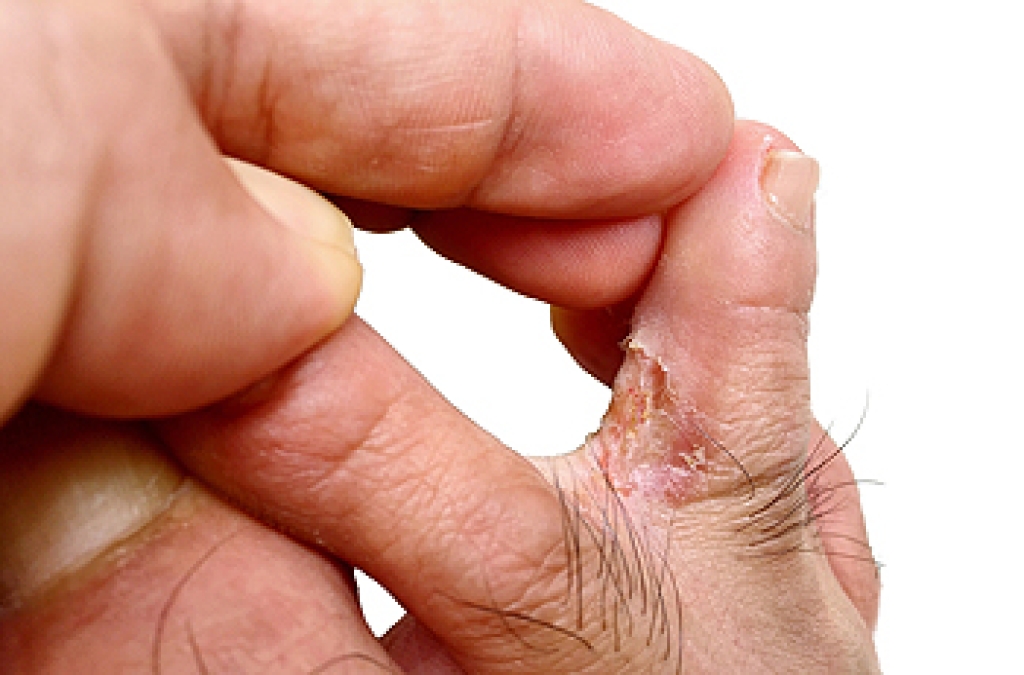
Athlete’s foot is a fungal skin infection that commonly affects the feet, especially the spaces between the toes. It develops when fungi grow in warm, moist environments and spread across the outer layer of skin. This condition is contagious and can be transmitted through shared surfaces such as locker rooms and showers. In some cases, small bumps may appear along with other skin changes, which can make the infection more noticeable. Understanding how to identify athlete’s foot early can help prevent progression and reduce discomfort.


Symptoms of athlete’s foot often include itching, burning, and irritation of the skin. The affected area may appear red, flaky, or cracked, particularly between the toes. Some individuals develop small fluid-filled bumps that may cause additional sensitivity. The skin can become soft or soggy due to excess moisture, and an unpleasant odor may also be present. These symptoms may worsen with continued exposure to damp conditions or tight footwear.


Several causes contribute to the development of athlete’s foot. Fungi thrive in consistently warm and damp environments, making sweaty feet and enclosed shoes a common factor. Walking barefoot in public areas increases exposure to infectious organisms. Additional contributing factors include minor skin injuries and poor hygiene habits. Individuals with a weakened immune system, a genetic predisposition, or poor circulation may be more vulnerable to infection and slower healing.


Risk factors include frequent use of communal facilities, prolonged moisture exposure, and wearing non-breathable shoes. People who experience excessive sweating or have underlying health conditions may face increased risk. Identifying athlete’s foot involves recognizing persistent itching, peeling skin, and the presence of bumps or irritation in typical areas. Early treatment and proper foot care can prevent spread and recurrence. If you have athlete’s foot or related bumps, it is suggested that you consult a podiatrist for effective relief and treatment solutions, which  may include prescribed medication.

Athlete’s Foot

Athlete’s foot is often an uncomfortable condition to experience. Thankfully, podiatrists specialize in treating athlete’s foot and offer the best treatment options. If you have any questions about athlete’s foot, consult with the podiatrists from New England Family Foot Care. Our doctors will assess your condition and provide you with quality treatment.

What Is Athlete’s Foot?

Tinea pedis, more commonly known as athlete’s foot, is a non-serious and common fungal infection of the foot. Athlete’s foot is contagious and can be contracted by touching someone who has it or infected surfaces. The most common places contaminated by it are public showers, locker rooms, and swimming pools. Once contracted, it grows on feet that are left inside moist, dark, and warm shoes and socks.

Prevention

The most effective ways to prevent athlete’s foot include:

  • Thoroughly washing and drying feet
  • Avoid going barefoot in locker rooms and public showers
  • Using shower shoes in public showers
  • Wearing socks that allow the feet to breathe
  • Changing socks and shoes frequently if you sweat a lot

Symptoms

Athlete’s foot initially occurs as a rash between the toes. However, if left undiagnosed, it can spread to the sides and bottom of the feet, toenails, and if touched by hand, the hands themselves. Symptoms include:

  • Redness
  • Burning
  • Itching
  • Scaly and peeling skin

Diagnosis and Treatment

Diagnosis is quick and easy. Skin samples will be taken and either viewed under a microscope or sent to a lab for testing. Sometimes, a podiatrist can diagnose it based on simply looking at it. Once confirmed, treatment options include oral and topical antifungal medications.

If you have any questions, please feel free to contact our office located in Milton, MA . We offer the newest diagnostic and treatment technologies for all your foot care needs.
Read more about Athlete's Foot
Connect with us