
review us
follow us
like us

Blog

How Wearing Compression Socks Can Help You at Work

When it comes to working long hours, whether at a desk or on your feet, wearing compression socks has become increasingly recognized as a proactive health measure. Prolonged sitting can reduce blood flow to the legs, potentially leading to blood clots. Standing for extended periods places extra strain on the circulatory system and can cause fatigue and soreness. Jobs requiring extended standing, such as nurses, retail workers, flight attendants, and restaurant staff, benefit from the all-day support provided by compression socks. Similarly, office workers, administrative staff, and those in sedentary roles can protect their legs by wearing compression socks to alleviate fatigue and prevent swelling. The therapeutic pressure of compression socks can promote better circulation, reducing achiness and energizing the legs. If you work in an occupation that requires you to stand or sit for prolonged periods, it is suggested that you make an appointment with a podiatrist to discuss relief methods and other ways to promote circulation in your feet and legs, such as wearing compression socks.

While working on the feet, it is important to take the proper care of them. For more information about working on your feet, contact the podiatrists from New England Family Foot Care. Our doctors will treat your foot and ankle needs.

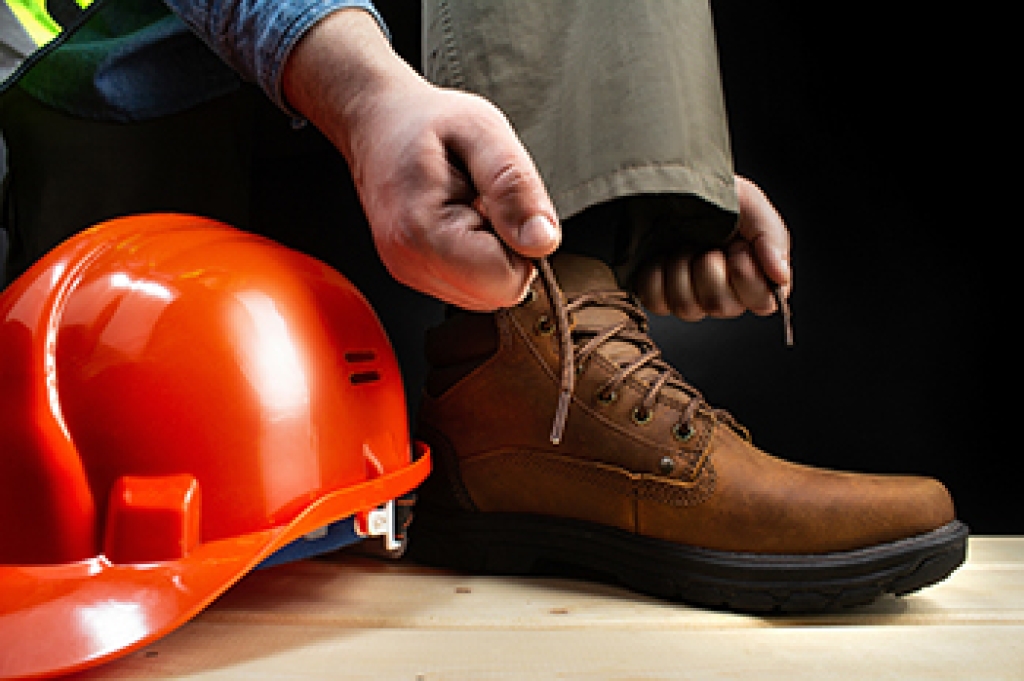
Working on Your Feet

Standing on your feet for long periods of time can cause stress and pain in your feet. Your whole body may experience change in terms of posture, back pain, bunions, callouses and or plantar warts. There are ways to avoid these conditions with proper foot care, smart choices and correct posture.

Positive Changes

Negative heeled shoe – Choosing this shoe type places the heel slightly lower than the ball of the foot. These are great for overall foot health. Find shoes that fit you correctly.

Go barefoot – Our feet were not designed to be enclosed for all hours of the day. Try to periodically expose your feet to air.

Eliminate Pain

Foot Exercises – Performing simple exercises, incorporating yoga and doing stretches are beneficial. This will allow increased blood flow to the area and muscles of the foot.

Achilles tendon – Stretching the foot out flat on the floor will relax the calf muscles and tendon. These exercises can be performed almost anywhere. Make sure you add these exercises to your daily regimen. 

With a little bit of this information and knowing more about foot health, you will notice changes. Foot stretches and proper footwear will help with pain and prevent further issues.

If you have any questions please contact our office located in Milton, MA . We offer the newest diagnostic and treatment technologies for all your foot and ankle needs.

Read more about Working on Your Feet

Healing Achilles Pain With Therapeutic Laser

Achilles pain, often caused by conditions such as Achilles tendinitis or tendonitis, can be excruciating and debilitating. Fortunately, advances in medical technology have introduced therapeutic laser therapy as a promising treatment option for this common ailment. Therapeutic laser, also known as low-level laser, or cold laser therapy, utilizes specific wavelengths of light to penetrate deep into the tissues surrounding the Achilles tendon. This non-invasive procedure promotes cellular repair, reduces inflammation, and relieves pain without the need for surgery or medication. During a therapeutic laser session, a podiatrist will target the affected area with the laser device. The energy from the laser stimulates cellular activity, enhancing blood circulation and accelerating the body's natural healing process. This can effectively alleviate Achilles pain and discomfort over time. Additionally, therapeutic laser therapy is a painless and quick procedure with minimal side effects, making it a safe and viable option for individuals seeking relief from Achilles pain. It is essential to consult a podiatrist to determine if therapeutic laser therapy is suitable for your specific condition and to create a personalized treatment plan. With this innovative approach, many individuals can find lasting relief from Achilles pain and regain mobility and quality of life. If you are considering this form of treatment, it is strongly suggested that you speak to a podiatrist who can determine if this is the right choice for you.

MLS Laser Therapy is a successful alternative for treating any pain you may be experiencing related to certain podiatric conditions.  If you are interested in MLS Laser Therapy, consult with the podiatrists from New England Family Foot Care. Our doctors will assess your condition and provide you with quality foot and ankle treatment.

MLS Laser Therapy

Multiwave Locked System (MLS) Laser Therapy is a patented, FDA-cleared technology that helps relieve pain and inflammation from a number of podiatric conditions, including:

  • Heel Pain
  • Plantar Fasciitis
  • Sports Injuries
  • Wounds
  • Achilles Tendonitis
  • Arthritis
  • Neuropathy
  • Neuromas

MLS Laser Therapy is an ideal alternative to surgery and prescription medication, as it has no negative side effects and encourages accelerated healing. Among its many clinical benefits, MLS Laser Therapy also:

  • Reduces swelling due to bruising or inflammation
  • Blocks pain
  • Reduces formation of scar tissue
  • Improves nerve function

If you have any questions, please feel free to contact our office located in Milton, MA . We offer the newest diagnostic and treatment technologies for all your foot care needs.

Read more about MLS Laser Therapy

Numbness From Wearing High Heels

Many women wear high heels, which can lead to numbness in the toes. This common symptom is often overlooked, but it is essential to understand the potential consequences of wearing high-heeled shoes. The primary cause of toe numbness from wearing high heels is the pressure placed on the ball of the foot. As you elevate your heel, your body's weight shifts forward, concentrating the load on a small area. This excess force can compress nerves and blood vessels, and the resulting reduction in blood flow to the front of the foot can cause toes to go numb. Over time, this restricted blood flow can lead to numbness and tingling sensations, making each step more troublesome. Additionally, the unnatural arch in high heels can strain the muscles and ligaments, which adds to the problem. To minimize numbness in the toes, opt for lower heel heights, wear cushioned insoles, and take regular breaks from wearing high heels. If you are experiencing numbness in the toes and feet, which may be the result of wearing high heels, it is suggested that you make an appointment with a podiatrist for an evaluation.

High heels have a history of causing foot and ankle problems. If you have any concerns about your feet or ankles, contact the podiatrists from New England Family Foot Care. Our doctors can provide the care you need to keep you pain-free and on your feet.

Effects of High Heels on the Feet

High heels are popular shoes among women because of their many styles and societal appeal.  Despite this, high heels can still cause many health problems if worn too frequently.

Which Parts of My Body Will Be Affected by High Heels?

  • Ankle Joints
  • Achilles Tendon – May shorten and stiffen with prolonged wear
  • Balls of the Feet
  • Knees – Heels cause the knees to bend constantly, creating stress on them
  • Back – They decrease the spine’s ability to absorb shock, which may lead to back pain.  The vertebrae of the lower back may compress.

What Kinds of Foot Problems Can Develop from Wearing High Heels?

  • Corns
  • Calluses
  • Hammertoe
  • Bunions
  • Morton’s Neuroma
  • Plantar Fasciitis

How Can I Still Wear High Heels and Maintain Foot Health?

If you want to wear high heeled shoes, make sure that you are not wearing them every day, as this will help prevent long term physical problems.  Try wearing thicker heels as opposed to stilettos to distribute weight more evenly across the feet.  Always make sure you are wearing the proper shoes for the right occasion, such as sneakers for exercising.  If you walk to work, try carrying your heels with you and changing into them once you arrive at work.  Adding inserts to your heels can help cushion your feet and absorb shock. Full foot inserts or metatarsal pads are available. 

If you have any questions, please feel free to contact our office located in Milton, MA . We offer the newest diagnostic and treatment technologies for all your foot care needs.

Read more about Why High Heels Are Not Ideal for Healthy Feet

A Guide to Treating Plantar Fasciitis

Plantar fasciitis, a common and often debilitating foot condition, can bring your daily life to a halt due to severe heel pain. Fortunately, various treatment options are available to help you regain your comfort and mobility. Conservative measures like rest and taking anti-inflammatory medications can help to alleviate discomfort. Wearing supportive footwear with proper arch support and cushioning can significantly reduce strain on the plantar fascia. Stretching exercises that target the calf muscles and Achilles tendon can also provide relief by loosening tight structures around the foot. Custom orthotics may be recommended to support the arch and distribute pressure evenly. In rare cases, when conservative treatments are not sufficient, medical interventions such as cortico-steroid injections or surgery may be considered. Plantar fasciitis can be challenging, but with the right approach and patience, you can overcome it and return to a pain-free, active lifestyle. If you have heel pain, it is suggested that you contact a podiatrist who can effectively diagnose and treat plantar fasciitis.

Plantar fasciitis can be very painful and inconvenient. If you are experiencing heel pain or symptoms of plantar fasciitis, contact the podiatrists  from New England Family Foot Care. Our doctors can provide the care you need to keep you pain-free and on your feet.

What Is Plantar Fasciitis?

Plantar fasciitis is the inflammation of the thick band of tissue that runs along the bottom of your foot, known as the plantar fascia, and causes mild to severe heel pain.

What Causes Plantar Fasciitis?

  • Excessive running
  • Non-supportive shoes
  • Overpronation
  • Repeated stretching and tearing of the plantar fascia

How Can It Be Treated?

  • Conservative measures – anti-inflammatories, ice packs, stretching exercises, physical therapy, orthotic devices
  • Shockwave therapy – sound waves are sent to the affected area to facilitate healing and are usually used for chronic cases of plantar fasciitis
  • Surgery – usually only used as a last resort when all else fails. The plantar fascia can be surgically detached from the heel

While very treatable, plantar fasciitis is definitely not something that should be ignored. Especially in severe cases, speaking to your doctor right away is highly recommended to avoid complications and severe heel pain. Your podiatrist can work with you to provide the appropriate treatment options tailored to your condition.

If you have any questions, please feel free to contact our office located in Milton, MA . We offer the newest diagnostic and treatment technologies for all your foot care needs.

Read more about Plantar Fasciitis
Connect with us